Science / Potatoes grown in simulated moon soil are safe to eat
Researchers at Oregon State University have grown potatoes in simulated lunar soil that they say are safe to eat.
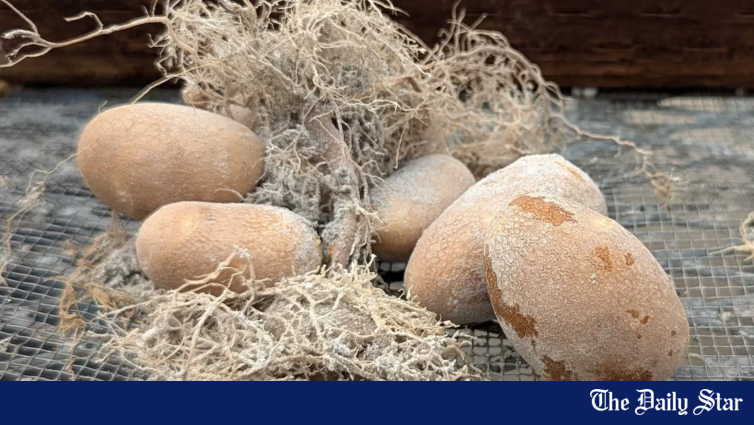
Researchers at Oregon State University have grown potatoes in simulated lunar soil that they say are safe to eat. The NASA-backed study, published on Thursday in the science journal Nature, supports NASA's Artemis goal of a lasting human presence on the Moon, which will need food grown there rather than shipped from Earth.
Moon soil, called regolith, is crushed rock and dust with no organic matter. In an interview with Reuters, lead researcher Aymeric Goyer said regolith contains no nitrogen, and it also has heavy metals such as copper. The team mixed five types of simulated regolith, covering different Moon regions, with vermicompost, a compost made by earthworms, and grew a potato variety called Modoc in a greenhouse.
Without vermicompost, the plants barely produced roots or tubers. With 5% to 15%, they partly recovered. With 30%, they matched potatoes grown in soil from Hermiston, Oregon, a region known for high potato yields. The researchers believe the organic matter binds heavy metals, so the plants absorb less.
The university says the potatoes kept their nutritional quality, with no statistically significant rise in glycoalkaloids, natural toxins linked to green skin. However, the paper notes that copper, zinc, and aluminium were modestly higher in tubers from some treatments and need continued monitoring.
There are limits. The plants grew in small pots, so the potatoes were generally under 10 grams, even in Earth soil. Goyer said the team has not tasted them, as the harvest went to lab analysis. Further papers will cover larger pots and 10 potato varieties. In future, astronauts could bring a little organic matter and make more from food scraps and plant waste, the university says.